في إطار اتخاذ الإجراءات اللازمة لتنفيذ خطة برامج المركز العربي للبحوث التربوية لدول الخليج للدورة المالية 2025-2026، والمعتمدة، وحرصا من المركز على الارتقاء بمستوى جودة تنفيذ هذه البرامج، والاستفادة من الخبرات البحثية في منطقة الخليج والمنطقة العربية بشكل عام، يطيب لنا أن نعلن عن فتح الباب أمام بيوت الخبرة ومراكز الأبحاث والأقسام العلمية بالجامعات والباحثين المتخصصين، للتقدم بعروض فنية ومالية لتنفيذ البرامج الواردة بهذا الإعلان، وفق الشروط والمواصفات المحددة بكراسة الشروط الخاصة بكل برنامج.
وسوف يتم الاختيار من بين العروض الفنية والمالية المقدمة وفقا لمدى التزامها بالشروط والأحكام الواردة بكراسات الشروط، ومستوى جودتها، ومدى ما تكشف عنه من فهم مقدم العرض لموضوع البرنامج وخلفيته النظرية بشكل معمق، وتقديمه خطة مفصلة لمختلف الجوانب المنهجية والإجرائية لتنفيذ البرنامج بالجودة المطلوبة، وفي إطار الوصف المعتمد. ونأمل أن تسهم هذه الخطوة في توطيد علاقات التعاون بين المركز العربي للبحوث التربوية لدول الخليج، والمراكز والجهات البحثية والباحثين في مجال التعليم، بما يصب في خدمة تطوير البحث التربوي والارتقاء بمستوى جودة نواتج برامج المركز.
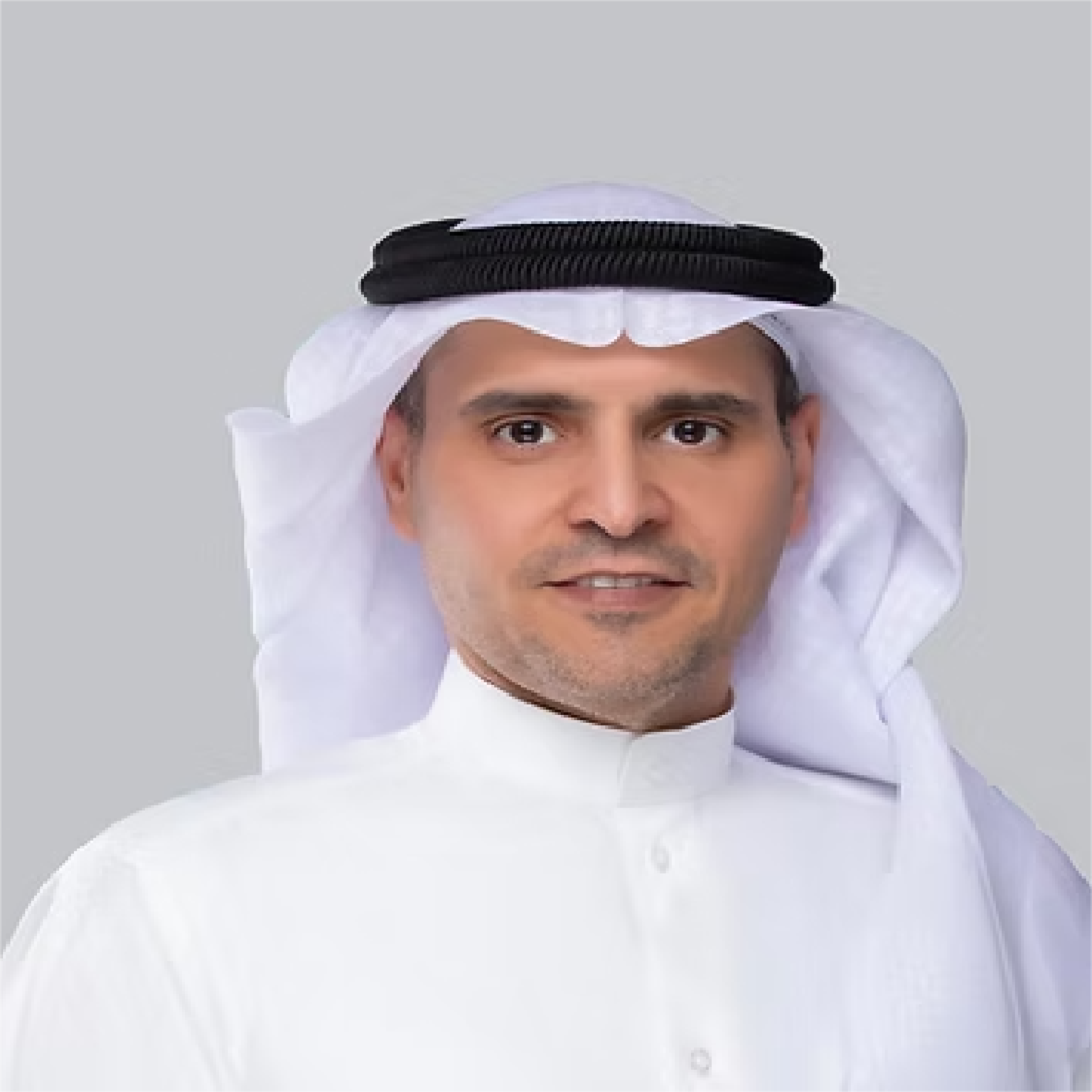
د. محمد مطير الشريكة
مدير المركز
يهدف هذا البرنامج إلى تعزيز وتنمية مهارات الإبداع والابتكار لدى طلبة التعليم العام (الصفوف من 10-12) في الدول الأعضاء بمكتب التربية العربي لدول الخليج، من خلال تنمية معارف التربويين ومهاراتهم بشأن سبل تطوير مناهج تعليمية مبتكرة وممارسات تربوية محفزة، تسهم في إطلاق الطاقات الإبداعية للطلبة وتطوير قدراتهم الابتكارية، مما يؤهلهم للمشاركة بفاعلية في تحقيق التنمية والازدهار لمجتمعاتهم. ويركز البرنامج على تعزيز قدرات مطوري المناهج الدراسية والمعلمين لإكساب طلبة التعليم العام (الصفوف من 10-12) في الدول الأعضاء مهارات الإبداع والابتكار، من خلال تصميم أنشطة صفية ولا صفية لتحقيق هذا الغرض. ويمكن الاستفادة من الإرث التربوي الإقليمي والدولي في هذا المجال في تصميم دليل مرجعي لمطوري المناهج والمعلمين، يستنيرون به عند تصميم المناهج الدراسية لتتواكب مع الأهداف العالمية التي تنشد الاستثمار في رأس المال البشري الابتكاري، وتتواءم مع توجهات الدول الأعضاء في هذا المضمار.
7 أشهر تبدأ من تاريخ توقيع العقد.
التقويم الحقيقي (Authentic Assessment) هو نوع من التقويم التعليمي الذي يهدف إلى تقييم مهارات الطلبة ومعارفهم في سياقات واقعية ومواقف عملية تعكس كيفية استخدام هذه المهارات والمعارف في الحياة اليومية أو في المواقف المهنية. ويركز هذا النوع من التقويم على قياس قدرة الطلبة على تطبيق ما تعلموه بشكل فعلي بدلا من مجرد حفظ المعلومات. وهو بذلك يختلف عن التقويم المعتمد على الورقة والقلم فقط، والذي يقيس إلمام الطالب بالحقائق والمعارف، لكنه لا يساعدنا في الحكم على مدى قدرته على تطبيقها. وبالتالي، من الضروري أن يتم استخدام تقييمات تنطوي على مهام أصيلة من العالم الحقيقي، مما يجعلها أكثر إثارة وتحفيزا، وأكثر ارتباطا بمهارات الطالب الحقيقية. وتتطلب هذه التقييمات مستوى عال من التفكير وقدرة أكبر على حل المشكلات، واختيار المهارات التي ينبغي تطبيقها، وتحديد وقت وكيفية تطبيقها. إن التقويم الحقيقي هو نهج فعال لتحقيق هذا الهدف، من خلال تركيزه على تقييم قدرة الطالب على إظهار فهمه لأهداف التعلم الأساسية في سياق العالم الحقيقي، من خلال مهام أدائية تضاهي المهام التي يتطلبها الواقع الفعلي. وعليه، يهدف هذا البرنامج إلى إبراز أهمية التقويم الحقيقي، وتعرف أهم أدواته، ورصد سياسات توظيفه في مدارس التعليم العام في الدول الأعضاء بمكتب التربية العربي لدول الخليج، وتسليط الضوء على أبرز التجارب والخبرات العالمية في مجال تطبيقه، بالإضافة إلى تصميم دليل تطبيقي لتدريب الاختصاصيين والمعنيين على الأساليب الفعالة لتوظيفه في الميدان التربوي.
يواجه الطلبة ذوو الإعاقة تحديات كبيرة في الحصول على التعليم المناسب في بيئات التعليم التقليدية. ولا تقتصر تلك التحديات على العوائق الجسدية أو الحسية، بل تمتد لتشمل الحواجز النفسية والاجتماعية التي قد تحول دون اندماجهم الكامل في المجتمع المدرسي. ولذلك يشكل دمج الطلبة ذوي الإعاقة في العملية التعليمية تحديا مستمرا للمؤسسات التعليمية، التي تسعى لتلبية الاحتياجات الخاصة بهذه الفئة من الطلبة، لضمان استفادتهم الكاملة من التعليم، تحقيقا للالتزامات التشريعية والمجتمعية بمبدأ العدالة والمساواة في الفرص التعليمية.
وفي ظل هذه التحديات، أصبحت التقنية حلا واعدا يمكن أن يُحدث تحولا جذريا في كيفية تلبية الاحتياجات التعليمية لهؤلاء الطلبة. فالتقنيات الحديثة، بما توفره من تطبيقات متقدمة وأدوات تكنولوجية مساعدة ومنصات تفاعلية، تتيح فرصا جديدة لتصميم بيئات تعليمية شاملة للجميع، وتقدم حلولا تعزز من قدرة الطلبة ذوي الإعاقة على المشاركة الفعالة في العملية التعليمية. وبذلك يمكن للتكنولوجيا أن تسهم في تسهيل تخطي العقبات التي تواجهها هذه الفئة، مما يسمح لها بالاستفادة الكاملة من الفرص التعليمية المتاحة.
وفي هذا الإطار، جاء هذا البرنامج الذي يُعْنَى بدراسة وتحليل الممارسات العالمية الحديثة في توظيف التكنولوجيا لدعم تعليم الطلبة ذوي الإعاقة، مع التركيز على الإعاقات السمعية والبصرية، وتقديم إرشادات عملية للمعلمين لضمان تطبيق تلك التقنيات بشكل فعال، عبر ممارسات تعليمية مبتكرة.
12 شهر تبدأ من تاريخ توقيع العقد.
يشهد مجال البحوث التربوية ثورة هائلة مع ظهور أدوات الذكاء الاصطناعي (AI) التي تُقدم إمكانيات هائلة لتحسين عملية البحث والتطوير في التعليم. ومع ذلك، فإن استخدام هذه الأدوات يطرح تحديات أخلاقية جديدة تتطلب معالجة دقيقة. لذا من المهم تطوير أدلة توجيهية للمساعدة في ضمان استخدام أدوات الذكاء الاصطناعي بشكل مسؤول وأخلاقي في البحوث التربوية، بما يتماشى مع مبادئ البحث العلمي وأخلاقياته. وسعيا من المركز العربي للبحوث التربوية لدول الخليج لتأطير إجراءات البحوث التربوية والتعليمية وتطوير أدواتها، يركز هذا البرنامج على رفع الوعي بآليات وأخلاقيات استخدام أدوات الذكاء الاصطناعي في البحوث التربوية، من خلال تطوير مجموعة من الأدلة التوجيهية والإجرائية للباحثين والاختصاصيين التربويين في هذا المجال.
ينص الهدف السادس عشر من أهداف التنمية المستدامة على "التشجيع على إقامة مجتمعات مسالمة لا يُهمّش فيها أحد، وإتاحة إمكانية وصول الجميع إلى العدالة، وبناء مؤسسات فعالة وخاضعة للمساءلة وشاملة للجميع على جميع المستويات". وانطلاقا من هذا الهدف، أنجز المركز العربي للبحوث التربوية لدول الخليج برنامجاً توعوياً لتعزيز قيم التسامح وقبول الآخر، وهو عبارة عن دليل مرجعي لتعزيز هذه القيم لدى الطلبة. واستكمالا لهذه الجهود، يركز البرنامج الحالي على تعرف أفضل السبل لدمج مفاهيم السلام في المناهج الدراسية والممارسات التعليمية في الدول الأعضاء، من خلال إعداد دليل مرجعي شامل لمتخذي القرار التعليمي ومطوري المناهج والمعلمين حول السياسات والممارسات العالمية الحديثة في مجال التعليم من أجل السلام.
هذا البرنامج هو امتداد للبرنامج الذي تم إنجازه في الدورة المالية السابقة حول تعليم وتعلم اللغة الإنجليزية في المرحلة الابتدائية. ويركز البرنامج الحالي على طلبة المرحلة المتوسطة؛ وهي مرحلة انتقالية مهمة في مسيرة الطالب التعليمية، حيث يزداد تعمق الطلبة في تعلم اللغة الإنجليزية وتطوير مهاراتهم الأساسية إلى مهارات متقدمة تمكنهم من التواصل الفعّال وفهم المحتوى اللغوي بشكل أفضل. وتتطلب هذه المرحلة إستراتيجيات تدريس متطورة تتلاءم مع تطور القدرات الأكاديمية للطلبة في هذه السن بالإضافة إلى التغيرات النفسية والعقلية التي يمرون بها في هذه المرحلة. كما ينبغي أن تركز إستراتيجيات التعليم والتعلم في هذه المرحلة على تعزيز اهتمام الطلبة باللغة الإنجليزية من خلال تطبيقات واقعية وتفاعلية تنمي لديهم المهارات اللغوية المطلوبة للتعامل في سياقات الحياة اليومية. ويركز هذا البرنامج على تطوير إستراتيجيات تدريسية حديثة تُشجع الطلبة على المشاركة الفعالة واستخدام اللغة الإنجليزية بكفاءة في سياقات متعددة، بالإضافة إلى توظيف التكنولوجيا لتعزيز خبرة تعلم اللغة الإنجليزية في مرحلة التعليم المتوسط. ويسعى البرنامج إلى إكساب معلمي اللغة الإنجليزية في المرحلة المتوسطة مهارات وأساليب تدريس مبتكرة ترتكز على الممارسات العالمية المتميزة في هذا المجال.